Basalt Stones and Boutique Wines: The Essence of Szent György Hill
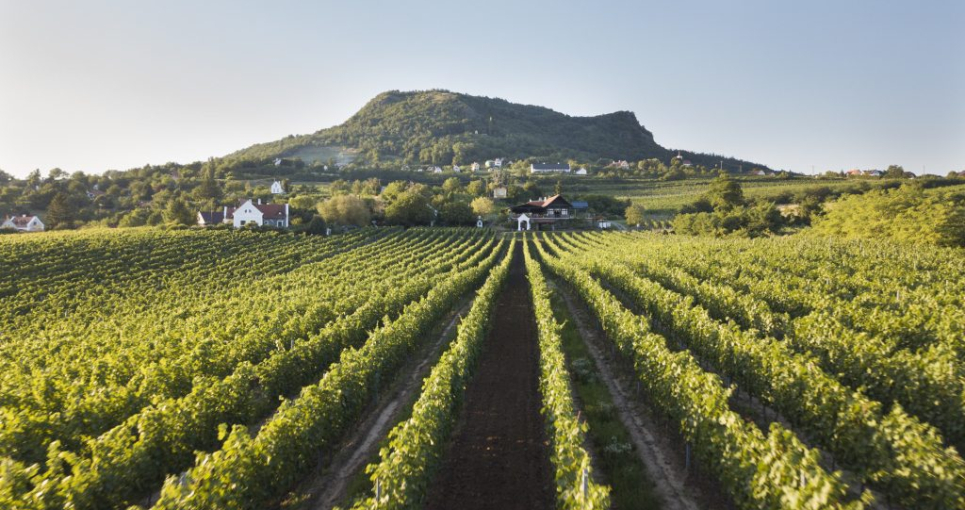
Basalt Stones and Boutique Wines: The Essence of Szent György Hill
Many people know Budapest, but few realize that just a couple of hours away, Szent György Hill offers one of Hungary's most impressive natural wonders. Szent György Hill near Lake Balaton stands out for its striking basalt columns, sweeping views, and hidden boutique wineries. Nature and wine lovers visit this small volcanic hill to see unique rock formations, climb panoramic hiking trails, and taste local vintages rarely found anywhere else.
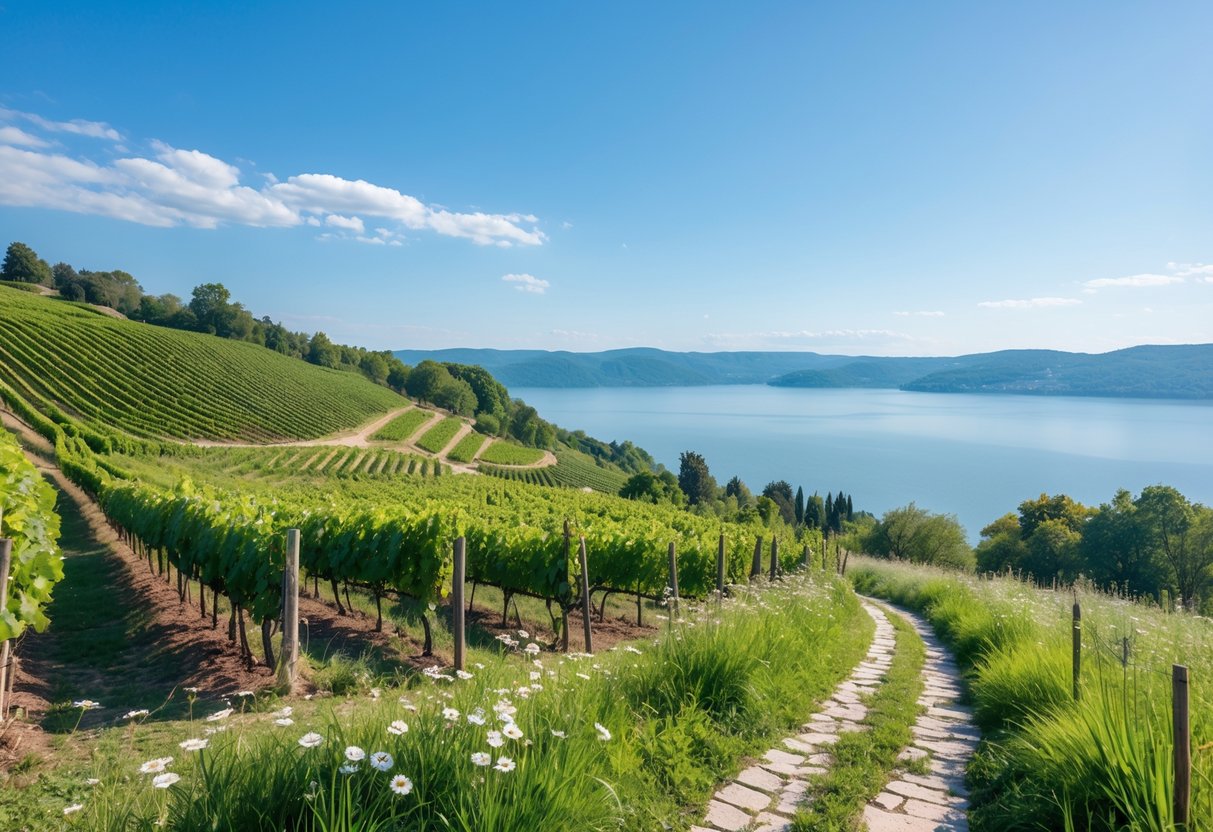
The volcanic history of Szent György Hill has created a special landscape and a microclimate perfect for growing grapes. Local vineyards use traditional methods, continuing a proud heritage that is deeply connected to the land. The hill is less crowded than other sites in the Balaton region, so visitors can enjoy peaceful hikes and authentic Hungarian wines in a quiet setting.
Key Takeaways
- Szent György Hill features rare basalt formations and hiking views.
- The hill's boutique wineries highlight local culture and heritage.
- It attracts visitors looking for nature, wine, and a tranquil atmosphere.
The Natural Wonders of Szent György Hill
Szent György Hill is a striking volcanic hill in the Balaton Uplands. Its unique basalt formations, scenic hiking trails, and rare plant and animal species draw many visitors who love geology and nature.
Basalt Formations and Geological History
Szent György Hill formed millions of years ago through strong volcanic activity. The hill's most famous feature is its basalt organs—vertical, hexagonal columns of volcanic rock. These "basalt organ pipes" were created as lava slowly cooled and cracked into shapes that look like church pipes.
Visitors can see several impressive basalt outcrops. The most well-known is the main wall, made of giant, black basalt columns shaped into regular patterns. Local legends say these rocks were "grown," but science shows they are formed from cooling magma.
Small caves, including the well-known ice cave, hide at the base of these basalt cliffs. The constant cool air inside the ice cave was once used by locals for food storage.
Iconic Panoramic Views and Hiking Trails
The hill offers several marked hiking trails that lead through vineyards, forests, and rocky paths. The main hiking trail, marked with the blue stripe, takes visitors to the top of the hill. From the summit, hikers can enjoy a 360-degree panorama of the Tapolca Basin and Lake Balaton.
Key features along the walk:
- Lookout Points: Benches and wooden lookout towers give clear views over the Balaton Uplands.
- Vineyards: The trail passes many boutique wineries set among the rolling hills.
- Wildflowers: In spring and summer, colorful wildflowers line the route.
These trails require sturdy shoes, as some sections are steep or rocky, but most are accessible for moderate hikers.
Unique Flora and Fauna
The diverse habitat of Szent György Hill supports many rare species of plants and animals.
- The sunny, rocky slopes are home to Mediterranean-type plants such as lavender and wild thyme.
- Cool, shaded areas near the basalt rocks hold mosses and ferns.
- Several protected orchid species appear here, some of which are hard to find in Hungary.
Wildlife includes green lizards, songbirds, and bats living in the crevices and small caves. Birdwatchers sometimes spot rare species because the hill's unique mix of forests and open fields creates ideal conditions for nesting and feeding.
Distinctive Volcanic Landmarks
Besides the basalt organs, Szent György Hill contains other volcanic features.
- The ice cave remains cold even in summer. Thick blocks of ice were common here until the last century, formed by cold air trapped among the stones.
- Basalt boulders and strange rock formations scatter across the forests and vineyards, giving the landscape a dramatic look.
- Old quarry sites reveal layers of basalt and tuff.
Some landmarks, like the "witches' kitchen"—a group of unusual stone shapes—have inspired local myths. These natural wonders, created by past volcanic activity, give the hill its unique charm.
Wine Culture and Local Heritage
Szent György Hill is known for its unique wine culture, striking landscape, and deep ties to local traditions. Its blend of geology, history, and viticulture makes it a destination valued by both wine experts and those who enjoy scenic walks.
Boutique Wineries and Vineyards
The slopes of Szent György Hill are lined with small, family-run wineries and carefully tended vineyards. Many of these spots offer guided tastings and open terraces with sweeping views of Lake Balaton below.
Gilvesy Winery stands out among the area's producers. Set just outside the village of Raposka, it welcomes visitors to learn how the hill's basalt-rich soils shape the character of the wine. The winery's staff often share stories about the region and describe their methods, adding to the educational experience.
Walking from one cellar to another takes visitors past neat rows of vines and rustic stone buildings. Each winemaker is proud of their heritage and usually eager to discuss their process and varieties.
Celebrated Local Wines
Thanks to its volcanic soil and climate, Szent György Hill produces wines with distinct mineral notes. The most common varieties grown here are Olaszrizling, Riesling, and Pinot Gris.
Visitors often praise the crisp flavors and aroma of these local white wines in online reviews. Many bottles are only available from the estate or local cellars, making a visit here special for collectors and connoisseurs.
Red wines, though less common, are developing a loyal following. Most tastings include simple food pairings like cheese or bread, which help bring out the flavors of each wine. The distance from the busy beaches of Balaton gives tastings here a calm, relaxed setting.
Cultural and Historical Sites
Szent György Hill is also home to local landmarks like the Lengyel Chapel (Kápolna), a small white structure set among the vines. This chapel is open during local festivals and sometimes serves as a rest stop for hikers.
Villages such as Raposka host traditional wine events where visitors hear local music and sample food. These gatherings preserve the area's customs and give insight into how wine has influenced life around Lake Balaton for centuries.
Many visitors combine hiking the hill's trails with a stop at these cultural sites. Together, the religious, historical, and wine traditions create a unique atmosphere not found elsewhere near Balaton.