Cobbled Stones and Castle Stories: The Medieval Magic of Kőszeg

Cobbled Stones and Castle Stories: The Medieval Magic of Kőszeg
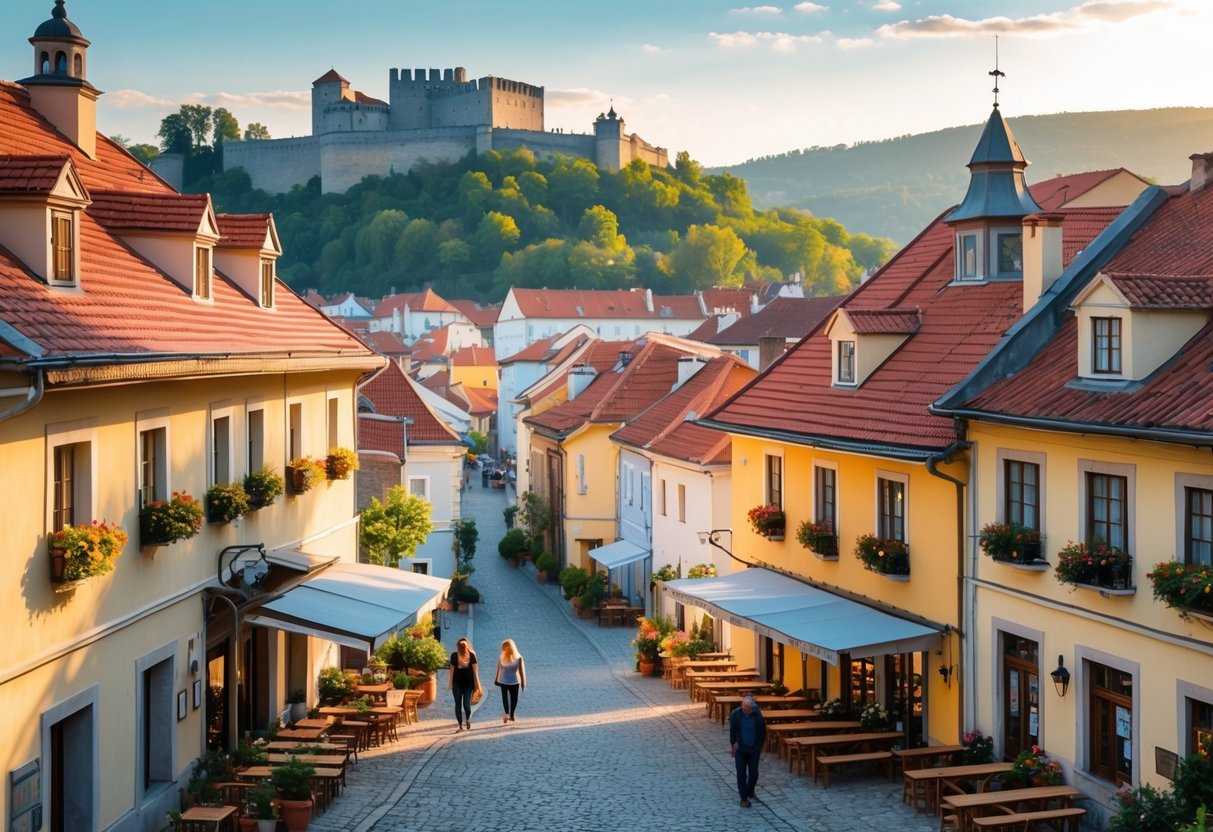
Nestled in western Hungary near the Austrian border, Kőszeg welcomes visitors with cobblestone streets and ancient stone walls that carry hundreds of years of history. The town's iconic castle stands watch over Vas County, guarding stories from medieval times and offering views of Transdanubia's rolling hills.
As travelers stroll through Kőszeg's old town, they discover small wine cellars tucked beneath the city's walkways. These cellars are more than just places to taste local flavors—they are gathering spots filled with tradition and cultural pride. Kőszeg's timeless atmosphere is shaped by its carefully preserved buildings, quiet corners, and a deep sense of identity shared by its residents.
Key Takeaways
- Kőszeg is a historic town in western Hungary with preserved medieval features.
- Ancient streets and wine cellars reveal its deep-rooted cultural character.
- The town's peaceful ambiance and strong identity invite exploration.
Wandering the Medieval Heart of Kőszeg
Kőszeg greets visitors with winding cobbled streets, impressive city defenses, and centuries-old traditions. This historic town offers unique spots such as Jurisics Castle, peaceful town squares, ancient wine cellars, and monuments from its proud past.
Cobbled Streets and Atmospheric Squares
The streets of Kőszeg are paved with smooth, rounded stones that have seen countless footsteps over the centuries. Jurisics Square stands at the center, surrounded by colorful baroque and Renaissance buildings. The Main Square hosts small shops, cafes, and bakeries, where locals gather under red-tiled roofs.
Public benches and flower pots make the atmosphere inviting. The sound of footsteps echoes quietly in narrow lanes, while church towers rise proudly over every corner. Each detail, from the wooden shop signs to the wrought-iron lanterns, tells part of the town's story.
Many visitors notice the Heroes' Gate, a stone arch marking one entrance to the medieval core. This gateway honors those who protected Kőszeg during the 16th-century Ottoman sieges. It remains a popular photo spot and a symbol of the town's spirit.
Exploring the Ancient City Walls
Kőszeg's stone city walls still stand in many places, circling the oldest parts of town. Built in the Middle Ages to protect residents, these walls were once much taller and stronger, with regular patrols and watchtowers.
A walk along the surviving walls reveals arrow slits, turrets, and well-preserved gates. Some towers have displays on medieval defense, showing armor and tools used during sieges by the Turks. These walls made Kőszeg one of the few "royal cities" in Vas County strong enough to resist attack.
Maps posted around the town highlight the best spots for viewing the walls and towers. Some pathways even allow people to climb for a look at the rooftops and hills beyond the city, giving a sense of how defenders watched for distant threats.
The Legacy of Jurisics Castle
Jurisics Castle sits at the heart of Kőszeg, surrounded by a moat and quiet gardens. The fortress is named for Miklós Jurisics, who led the town's defense against the Ottoman army in 1532. His statue stands guard at the main entrance.
Parts of the castle date back to the 13th century. Inside, there are museum rooms that display old weapons, armor, and everyday items from life in medieval Hungary. Clear information signs explain each item, while guided tours share stories of battles and castle life.
The castle's thick walls and narrow windows show its history as a military stronghold. Open courtyards invite visitors to rest and imagine scenes from the past. Cultural events, such as folk music and history days, often take place within these walls.
Hidden Wine Cellars and Local Cuisine
Beneath Kőszeg's streets, small wine cellars have existed for hundreds of years. Many of these cool, stone-vaulted rooms still store barrels of white and red wines from the surrounding hills. Local families produce traditional Kőszeg wines, and many cellars welcome guests for tastings.
Some cellars also serve simple Hungarian foods like cold cuts, fresh bread, and cheeses. Visitors may find tables set among aging barrels, where owners explain the winemaking process. The cellars often display old winemaking tools and faded family photographs on the walls.
Seasonal festivals in Kőszeg feature wine competitions and food markets. These events bring together residents and travelers to sample the region's flavors. Tasting local wines and meals in these cellars is a tradition that continues to shape the town's cultural identity.
Timeless Ambiance and Cultural Identity
Kőszeg's atmosphere is shaped by its living traditions, time-worn buildings, and the surrounding beauty of the Kőszeg Mountains. This blend forms a community where history, culture, and nature all feel close at hand.
Traditions and Multicultural Roots
Kőszeg sits near Hungary's border with Austria and is shaped by many centuries of change. Germanic, Hungarian, and Croatian roots are seen in surnames, food, and the daily language of older residents. The town's past as a trade stop between Graz, Vienna, and Szombathely brought in new customs and influences.
Locals celebrate annual festivals that highlight both Hungarian and cross-border heritage. St. George's Day and the Kőszeg Days feature traditional costumes, folk dance, and music. These gatherings keep old customs alive and welcome visitors into a friendly, close-knit circle.
Wandering the streets, it's easy to see both familiar Hungarian touches and the signs of other cultures, from carved wooden decorations to family-run bakeries serving both strudel and pogácsa.
Charming Churches and Historical Landmarks
Stone churches and towers mark Kőszeg as a place where faith and history go hand in hand. The castle at the town's heart, with its thick walls and quiet courtyards, once defended Transdanubia from outside threats. Its history is told through museum displays and local stories.
The Kálvária Church, perched above the rooftops, offers peaceful views and centuries-old art. St. James's Church is another highlight, its tall tower a helpful point of reference while exploring winding lanes.
Every corner reveals an old statue, a faded fresco above a doorway, or the coat of arms of a noble family. These details remind visitors that Kőszeg is a living record of different eras.
Crafts, Music, and Festive Events
Local artists and makers shape much of Kőszeg's charm. Embroidery, woodwork, and pottery fill market stalls, showing skills handed down from one generation to the next. Many workshops are open to visitors, who may watch a potter at the wheel or choose a hand-painted keepsake.
Music is woven into daily life, from choirs practicing in churches to street musicians on festival days. Autumn brings the Harvest Parade, when workers in colorful costume walk the main square.
Festivals combine local goods, folk dances, and regional dishes. The air fills with the scent of roasted chestnuts and fresh bread, inviting people to linger outside well after sunset.
From Kőszeg Mountains to Wine Trails
Nature surrounds Kőszeg on all sides. The Kőszeg Mountains, the first hills of the Alps, offer shady forests and clean air for hikers and cyclists. Trails lead through beech woods to rocky overlooks, with clear views toward Austria and beyond.
Near the edge of the old town, small wine cellars dot the hillsides. Local vintners grow grapes on sunny slopes, producing white wines known for crisp, fresh flavors. Visitors can taste new vintages or join a guided walk between cellars.
In clear weather, it's possible to look south toward Szombathely and north toward Vienna, feeling the connection between Kőszeg and its neighbors while enjoying the peace of the countryside.