Fired by Tradition: Discovering the Heritage of Hungarian Pálinka
Fired by Tradition: Discovering the Heritage of Hungarian Pálinka
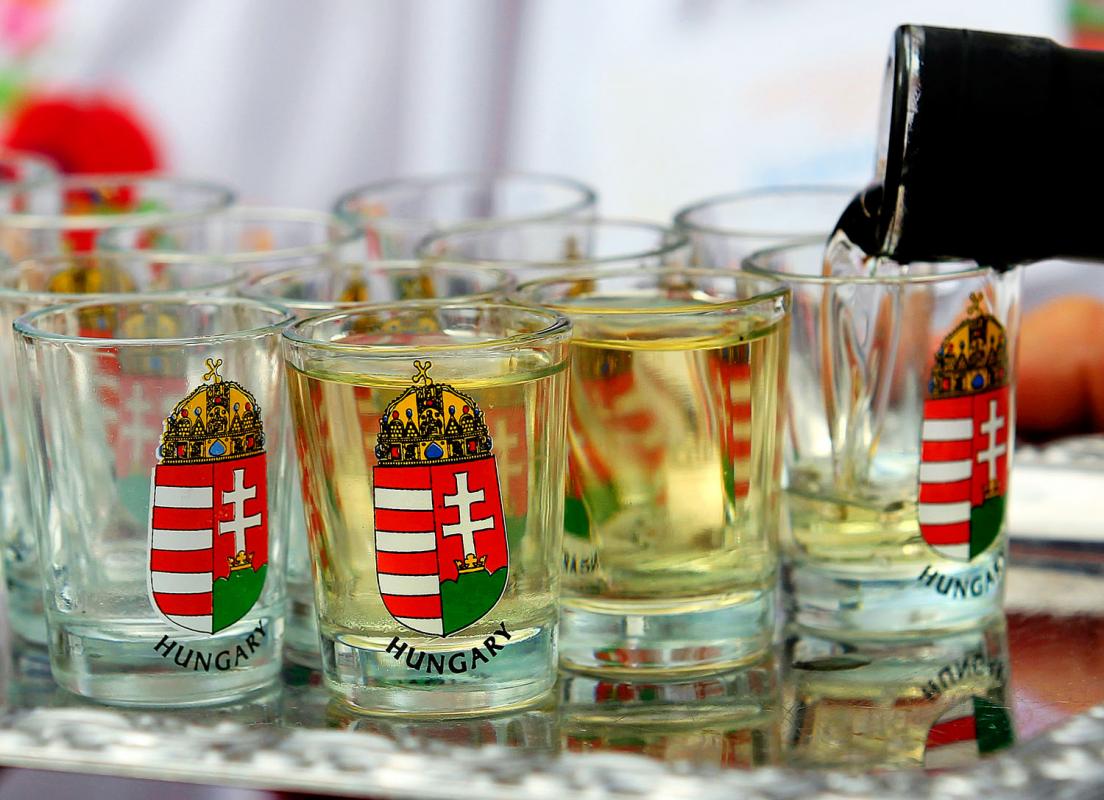
Hungary is famous for its unique fruit brandy called pálinka, a drink deeply woven into the country's traditions and celebrations. Pálinka is much more than a spirit; it is a symbol of Hungarian cultural heritage and national pride. Families and friends often share it during important events, using it to toast weddings, holidays, and milestones.
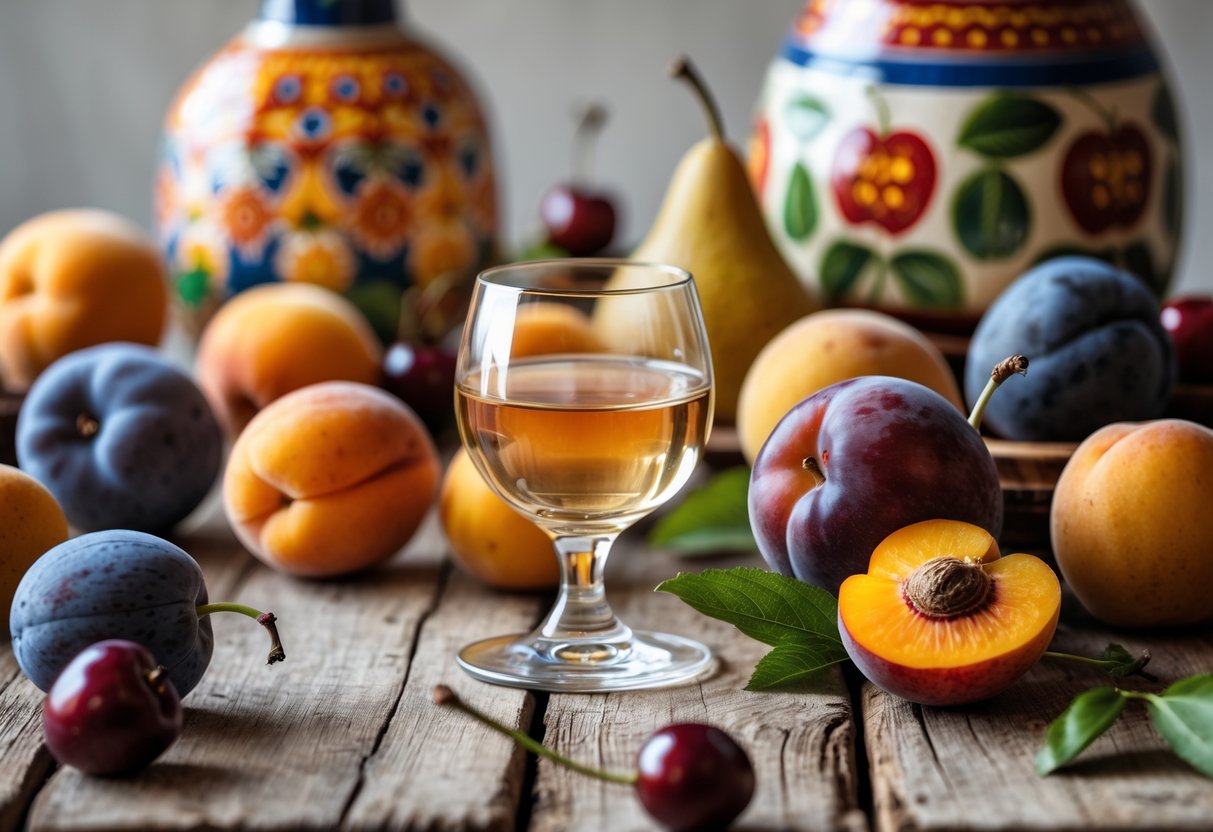
There are many regional variations, giving pálinka its own local flavor. Some areas are well-known for their plum or apricot pálinka, while others specialize in pear or cherry. Each variety carries the taste of the fruit and the skill passed down from generation to generation.
Key Takeaways
- Pálinka is a traditional Hungarian fruit brandy tied to cultural heritage.
- It features distinct regional flavors like plum, apricot, and pear.
- Pálinka plays a special role in Hungarian celebrations and traditions.
Pálinka's Cultural Significance and Traditions
Pálinka is closely linked to everyday life and family gatherings in Hungary. Its roots stretch back centuries, and it is protected as a unique part of Hungarian cultural heritage.
History and Origins
The history of pálinka goes back to the Middle Ages, when early distillation methods reached Central Europe. Pálenka, the broader term for fruit spirits in the region, refers to homemade and traditional distilling across several countries, but Hungary's pálinka is recognized for its quality and tradition.
Records from the 14th century show that pálinka was enjoyed at noble courts and by local townsfolk. Early versions were usually made with plums, apricots, or pears—fruits common in Hungarian orchards. Over time, local recipes developed, turning pálinka into a symbol of regional pride. Distilling skills and family recipes were passed down, adding to its deep roots in Hungarian heritage.
Role in Hungarian Customs
Pálinka has long held a place at the center of family gatherings, celebrations, and festivals. It is served as both an aperitif to welcome guests and a digestif after meals to aid digestion. Offering a glass of pálinka is a sign of Hungarian hospitality, often presented to visitors as a gesture of warmth.
At weddings, birthdays, and major holidays, it is shared to mark special moments. Pálinka festivals take place across Hungary, where people sample different regional fruit spirits and celebrate the craft. In many rural communities, distilling and sharing home-produced pálinka is part of yearly tradition and social bonding.
Rules, Laws, and Geographical Indication
Pálinka's production is protected by strict laws. The Pálinka Act of 2008 determines the standards for authentic Hungarian pálinka. According to these rules, pálinka must be made entirely in Hungary, using only native fruit, and distilled within Hungarian borders.
Only spirits that meet these criteria can use the name pálinka. The European Union gave pálinka Geographical Indication status in 2004, recognizing it as unique to Hungary and a few parts of Austria. This legal protection ensures that traditional methods are honored and that pálinka remains a true Hungarian spirit.
Regional Variations and Craftsmanship
Hungarian pálinka has many faces, shaped by the land, skill, and fruit at its core. Each element—from the type of fruit to the hand of the distiller—adds something special to every glass.
Fruit Selection and Terroir
The choice of fruit matters most in pálinka. Hungarian distillers use only fresh, ripe, locally grown fruit. They believe the soil and climate—or terroir—make each region's spirit unique.
In Kecskemét, apricots grow sweeter because of the long, sunny summers. The Szatmár region is famous for rich plums. Pears thrive in the north, while cherries do well in areas with cooler nights.
Distillers watch for the best harvest, often hand-picking the fruit. Only perfect, unbruised fruit goes into fermentation. This careful selection ensures each bottle carries the true taste of the land.
Key Varieties: Plum, Apricot, Pear, and More
The most popular types of pálinka include:
- Plum (szilva) pálinka: Soft, fruity, and slightly spicy, famous in Szatmár and Békés.
- Apricot (barack) pálinka: Sweet and aromatic, made well in Kecskemét, often called apricot spirits.
- Pear (körte) pálinka: Light, floral, with a gentle touch, found in northern orchards.
- Cherry (cseresznye) pálinka: Tart, vivid, and delicate.
- Apple (alma) pálinka: Crisp and refreshing, more common in cooler regions.
- Törköly: A special version made from grape pomace.
Each region is proud of its local specialty. Distillers often compete in local festivals, hoping their pálinka will stand out for taste and aroma.
Crafting and Distillation Techniques
Pálinka making starts with alcoholic fermentation. Distillers crush and ferment the fruit pulp in small batches, keeping the natural flavors strong.
The distillation process matters. Most pálinka uses double distillation in copper pot stills to bring out the cleanest fruit flavors. Mastery over temperature and timing separates skilled Hungarian distillers from others.
Aging varies:
- Some pálinka is bottled young to keep the fresh fruit notes.
- Others are aged in wood for a deeper taste and golden color.
Alcohol content usually ranges from 40% to 50%. Craftsmanship is found in each small decision, from fruit pressing to the final blend.
Tasting Experience and Distinctive Flavors
Tasting pálinka is more than just sipping a spirit. A proper glass lets tasters enjoy the full bouquet.
Fruit pálinka should offer clear, honest fruit scents, not artificial or sharp smells. The flavors are strong yet balanced, starting with a burst of ripe fruit, then a gentle warmth.
Flavors differ by type:
- Apricot pálinka is juicy, floral, and a bit sweet.
- Plum pálinka is rich, mellow, and slightly spicy.
- Pear pálinka feels light and fresh, with notes of vanilla.
Each distillate is unique, shaped by craft, region, and fruit. True pálinka is always about honest taste from real fruit, never additives.