Folk Traditions in Bloom: Springtime Festivities in Hollókő
Folk Traditions in Bloom: Springtime Festivities in Hollókő
Most travelers know Budapest, but few have heard of Hollókő, a tiny UNESCO World Heritage village that becomes a living museum each Easter. Each spring in northern Hungary, Hollókő's streets fill with people in traditional costumes, celebrating ancient customs that have been passed down for generations.
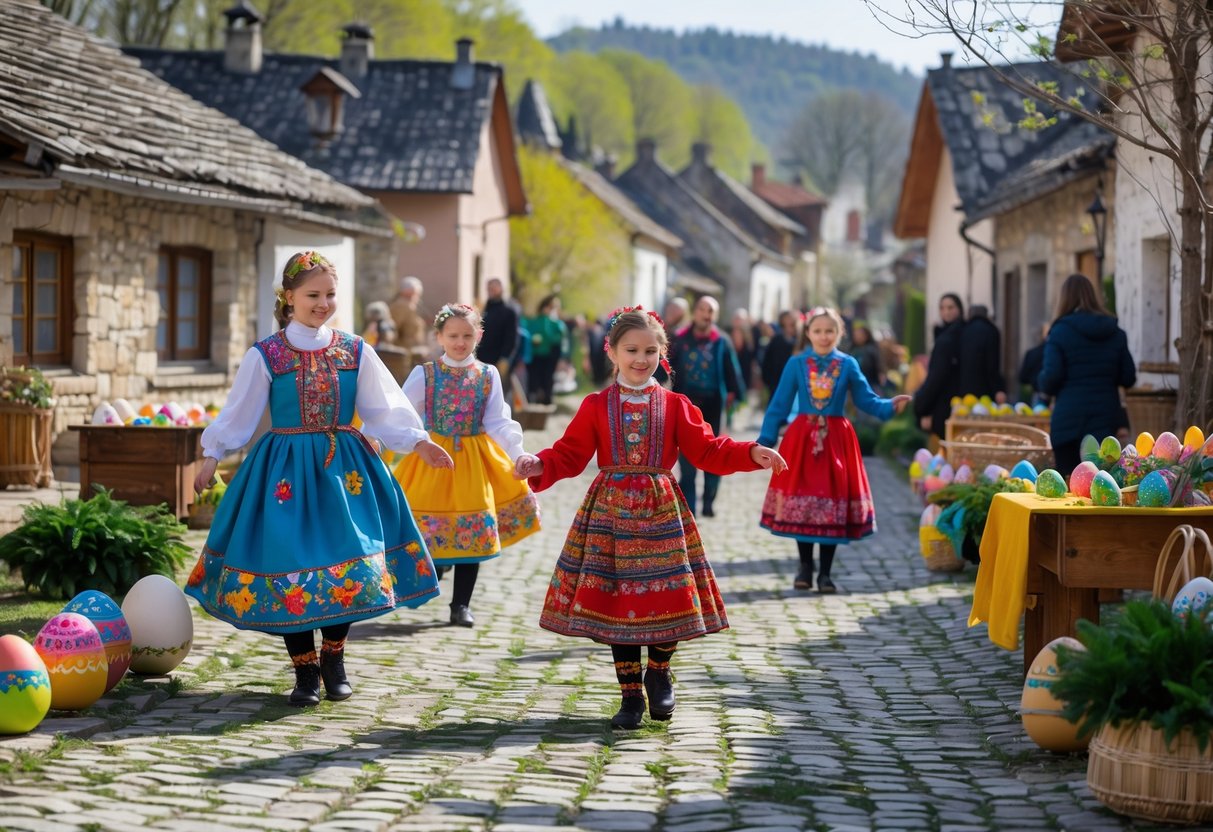
The Easter festival in Hollókő offers a rare chance to step into Hungary's rural heritage, where folk songs, dances, and colorful rituals come to life. Visitors witness real traditions, like "sprinkling," where boys splash girls with water to bring good luck, and experience the cozy beauty of this preserved village.
Key Takeaways
- Hollókő hosts Hungary's most famous village Easter festival.
- The celebration features folk traditions and local costumes.
- Visitors enjoy an authentic glimpse of Hungarian rural culture.
Easter Traditions and Cultural Heritage of Hollókő
Hollókő's Easter festival blends centuries-old Palóc traditions with vibrant folk art and festive customs. Each spring, the village becomes an open-air celebration of music, dances, colorful costumes, and local heritage, drawing visitors from around the world.
Origins and Historical Significance
The roots of Hollókő's Easter festival go back to the Palóc people, an ethnic group with a strong rural identity in northern Hungary. Their customs have been carefully preserved and passed down for generations.
Hollókő is a UNESCO World Heritage Site, chosen for its well-kept 17th-century village layout and living traditions. The festival is a living display of Palóc culture, showing how the community has kept its customs alive through time.
Easter in Hollókő is not just a holiday. It is a time when the village reconnects with its history and honors its ancestors. This gives the celebrations a deeper meaning for those who take part.
Traditional Easter Customs and Rituals
One of the main customs is "sprinkling," known as locsolkodás. Young men visit houses in traditional costumes, sprinkling women with water or perfume and reciting playful verses. This act is believed to bring health and good fortune.
The women, in return, offer painted eggs, cakes, or shots of pálinka, a local spirit. Families gather to cook and share traditional Easter meals, including ham, eggs, and homemade bread.
Other customs include egg painting and folk games. Visitors are often invited to join and experience these unique rituals, making the festival a true community event.
Colorful Costumes and Folk Art
Palóc women wear layered, brightly colored skirts, hand-embroidered blouses, and lace aprons for the Easter festival. Each piece is made with skill and shows the unique designs of Palóc folk art.
The men dress in black trousers, white shirts, vests, and wide-brimmed hats. The villagers take pride in their attire, which is often made by local artisans using weaving, embroidery, and lace-making skills passed down through families.
Homes and the village square are decorated with hand-painted eggs, wooden carvings, and pottery. These crafts are on display during the festival, allowing visitors to see Palóc creativity and craftsmanship up close.
Music, Dance, and Local Celebrations
Live folk music fills the streets as local bands play traditional instruments like the violin and cimbalom. Dance performances take place in the main square, with both villagers and guests joining in simple circle dances.
The festival program includes:
- Groups performing Palóc folk songs and dances
- Parades in traditional dress
- Hands-on craft workshops
- Food stalls serving regional specialties
Music and dancing create an energetic atmosphere, strengthening ties within the village. Through these performances, Palóc culture is not only shown but also kept alive for future generations.
Exploring the Village: A Timeless Rural Escape
Hollókő offers a close look at rural life in northern Hungary. Visitors can walk old cobblestone streets, discover Palóc traditions, and enjoy views of rolling hills and forests.
Palóc Architecture and the Ófalu
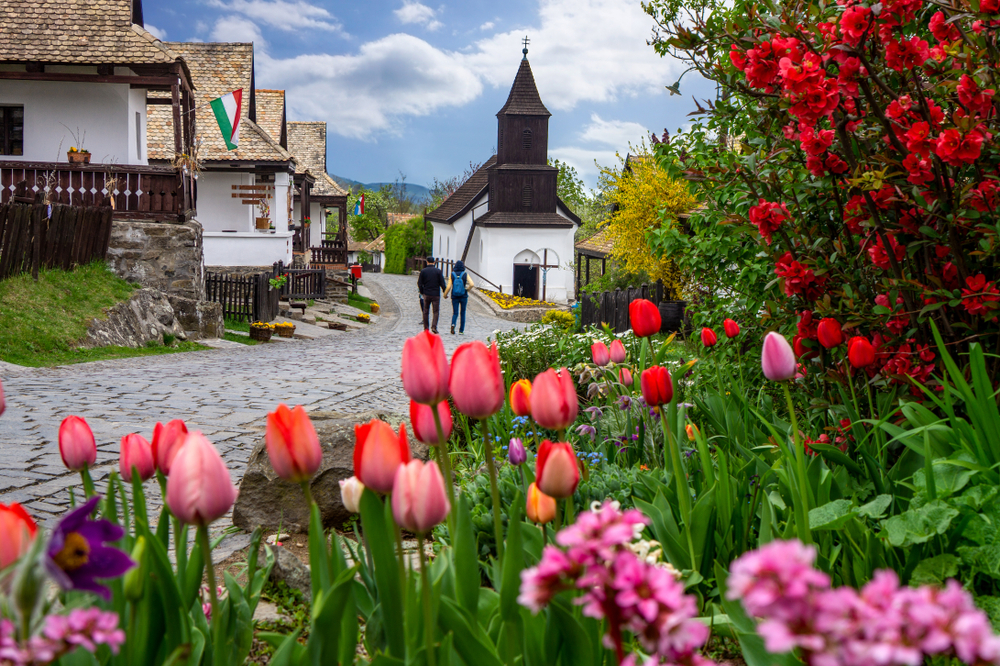
The heart of Hollókő is its Ófalu, or Old Village, a UNESCO World Heritage Site. Here, more than 60 wooden houses line the narrow, winding streets. These whitewashed buildings, with their dark wooden beams and steep-tiled roofs, are classic examples of Palóc architecture.
Locals keep flower boxes on windowsills, and picket fences surround gardens. The Church of Hollókő, built from wood in the 19th century, stands at the village center. Every spring, local people wear colorful Palóc folk costumes and walk these same streets, re-creating scenes from village life.
The Ófalu lets visitors step back in time. The area shows how the Palóc community lived, cooked, and worked. It is one of the few villages in Hungary where traditional lifestyles are well preserved.
Visit to Hollókő Castle and Attractions
Above the village stands Hollókő Castle, a 13th-century stone fortress. The castle sits on a hilltop, giving wide views over the Cserhát hills and forests of northern Hungary. Many visitors walk up the winding path to explore the towers and ancient walls.
Inside, there are exhibitions showing the castle's history and medieval times. Families often enjoy archery demonstrations and festival events held here. The castle is a popular spot for photos, especially during the Easter Festival when costumed villagers climb to the ramparts.
Other nearby attractions include the nature trails around Hollókő, which lead through old woods and fields. The scenery here changes with the seasons, from green in spring to golden in autumn.
Crafts, Museums, and Local Experiences
Hollókő is known for skilled handicrafts. Local artisans show how to paint Easter eggs, weave textiles, and carve wood using methods passed down through generations. During festival days, these crafts are sold at market stalls and village shops.
The Village Museum and local museums open their doors to tell the story of Palóc life. Exhibits show old tools, clothing, and household items. Visitors can see kitchens with traditional ovens and learn how bread was baked long ago.
Tasting Palóc food is also part of the experience. Small inns serve homemade dishes such as stuffed cabbage, paprika stew, and sweet pastries like rétes. Many guests leave with handmade crafts or a new favorite Hungarian recipe.
Gateway to Northern Hungary and Day Trips
Hollókő is easy to reach by bus or car from Budapest in about 1.5 hours, making it a good day trip for those visiting the capital. The village is also close to other historic spots in northern Hungary.
Travelers often combine a visit to Hollókő with trips to the Danube Bend, where small towns like Szentendre and Visegrád lie by the river. Nature lovers can explore the hills and forests of the Cserhát region.
For longer journeys, lakes and cities such as Lake Balaton, Szeged, or Debrecen are within reach. Each offers a different side of Hungarian culture, but Hollókő remains special for its small size, heritage, and deep country traditions.