Kings, Cathedrals, and the Danube: Discovering Esztergom

Kings, Cathedrals, and the Danube: Discovering Esztergom
Most travelers know Budapest as Hungary's capital, but the country's former seat of power was once Esztergom, a city with deep historical roots. Esztergom is home to the largest church in Hungary, the grand Esztergom Basilica, which stands high above the scenic Danube River and draws visitors from all over Europe. This riverside city is a treasure trove for those interested in history, religion, and beautiful views.
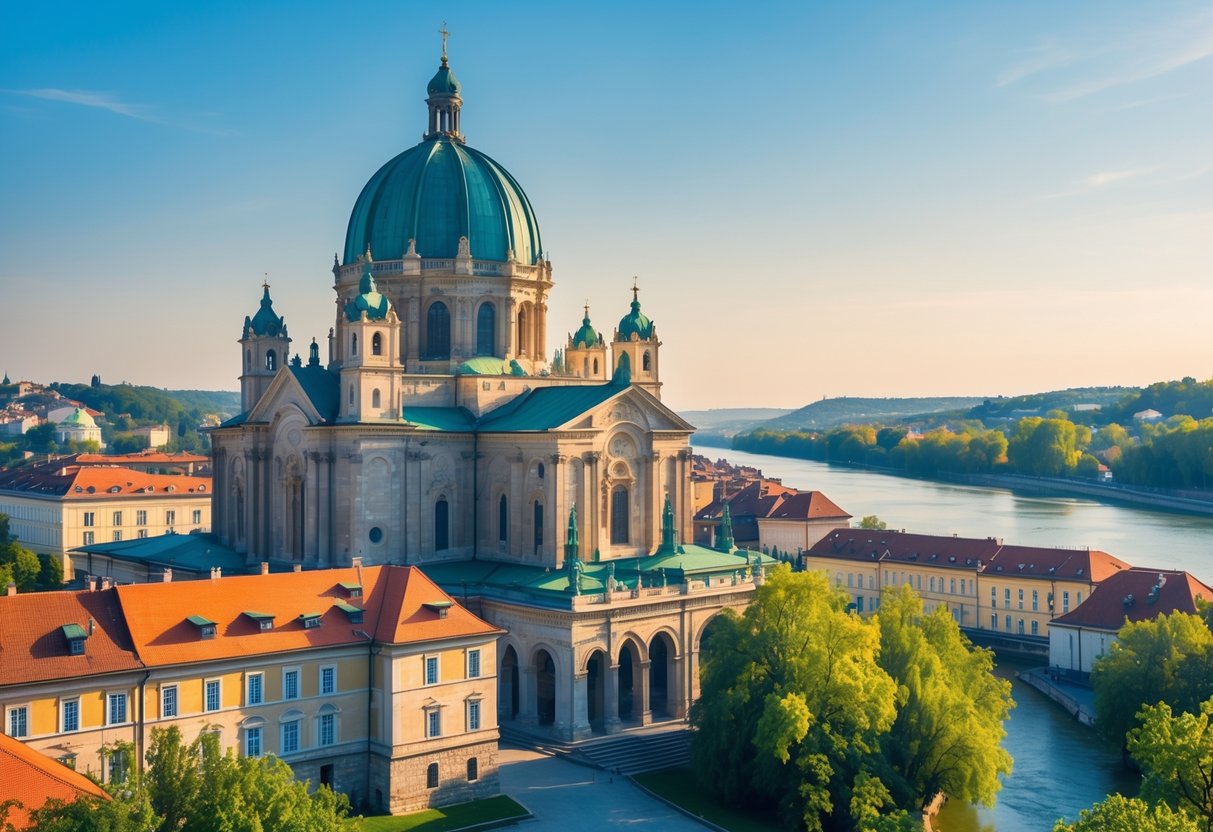
Walking through Esztergom, visitors find traces of kings, popes, and centuries-old traditions. The basilica is famous not just for its size, but for its stunning dome and impressive artwork. Along the banks of the Danube, travelers can enjoy peaceful walks and catch sights of rolling hills and ancient bridges.
Key Takeaways
- Esztergom was once the capital and center of Hungary's history.
- The Esztergom Basilica offers rich architecture and religious importance.
- The city combines cultural sights with scenic Danube views.
Esztergom Basilica and Historic Sights
Esztergom is shaped by centuries of history, impressive religious landmarks, and scenic views over the Danube River. The town showcases grand churches, medieval castles, statues, and a unique mix of Hungarian and European culture.
The Grandeur of Esztergom Basilica
Esztergom Basilica is the largest church in Hungary and a powerful symbol of the Roman Catholic Church in the country. The grand front steps rise above the town, leading to a green-domed roof that can be seen from miles away. Its dome reaches over 100 meters high, making it one of the tallest buildings in Hungary.
Inside, visitors find marble columns, golden altars, and the famous altarpiece painting of the Assumption of the Virgin Mary, one of the largest oil paintings on canvas in the world. The basilica's vast size is clear in its echoing halls and massive pillars. Around the church, statues honor King Saint Stephen, the first King of Hungary, who was crowned here centuries ago.
Climbing to the dome's observation deck gives a wide view over the Danube River and the rooftops of Esztergom. On sunny days, views stretch far across the border to Slovakia.
Religious and Architectural Importance
The basilica stands on the site of Hungary's first cathedral built by King Stephen I. Esztergom was Hungary's capital and main religious center for centuries, so the city's churches and monuments play a huge role in Hungarian history.
Its design blends neoclassical and Renaissance elements, with a layout inspired by ancient Roman basilicas. The building was completed in the 19th century, but its roots reach back to the 11th century. The basilica is still the seat of the Catholic Church in Hungary.
Below the main church, visitors find the crypt where archbishops are buried. The nearby Christian Museum holds valuable medieval, Baroque, and Renaissance art. The Víziváros district ("Watertown") at the base of Castle Hill has old chapels, colorful houses, and winding streets.
Other Heritage Gems: Esztergom Castle and Castle Hill
Next to the basilica stands Esztergom Castle, once a royal seat for medieval Hungarian kings. The castle complex spreads across Castle Hill, overlooking the river and city. This medieval royal palace was a center of government and defense, especially during attacks from the Ottoman Empire.
Today, the Esztergom Castle Museum is open to visitors. It features exhibits on the history of Esztergom, models of medieval life, and treasures found during excavations. The castle grounds include the famous statue of King Saint Stephen, often seen against panoramic river views.
Visitors walking Castle Hill can see ancient walls, gardens, and hidden lookouts. The blend of old stonework and fresh air brings a sense of the past.
Symbols of Connection: Maria Valeria Bridge and Sights Across the Danube
The Mária Valéria Bridge stretches across the Danube River, linking Esztergom with Štúrovo in Slovakia. The bridge is named after the daughter of Emperor Franz Joseph I and connects not just two countries but also cultures, communities, and families divided by history.
Crossing the bridge on foot or bicycle gives a clear view of the basilica's dome, the castle, and the riverbanks. This spot is popular for photos and strolls, especially at sunset. On the other side, Štúrovo offers a different view of Esztergom's skyline.
The bridge, once destroyed in wartime, now stands as a symbol of peace and cooperation. The Danube River itself has always been a meeting point for Hungary and its neighbors, giving Esztergom a unique riverside charm.
Travel Inspiration, Culture, and Scenic Sights
Esztergom offers riverside beauty, historic charm, and a variety of cultural and outdoor experiences. The town's landmarks, food, and day trip options bring travelers close to the heart of Hungary.
Panoramic Views and The Danube Riverside Setting
Visitors can enjoy sweeping views from the Esztergom Basilica's dome, which sits high above the town. This spot looks out over the Danube River, the border with Slovakia, and the green landscape of the Dunakanyar, or Danube Bend.
The riverside promenade is peaceful and inviting for slow walks or photo stops. Boaters and hydrofoil cruises pass by, showing off the link between Central Europe's waterways. Benches line the banks, letting travelers watch the river flow or spot birds nesting nearby.
Local parks and small nature trails hug the river's edge. These short walks bring guests close to wildflowers and views of the basilica rising above the rooftops. Photographers and artists often set up along this stretch to capture unique angles of the old city.
Cultural Experiences and Local Flavors
Széchenyi Square stands at the center of Esztergom's social and cultural life. It hosts events, fairs, and outdoor markets, especially in spring and summer. Cafés here serve local pastries and coffee, a favorite for visitors watching daily life in Komárom-Esztergom county.
Traditional Hungarian food is easy to find. Restaurants like Csülök Csárda specialize in hearty stews and pork dishes. Many places use recipes passed down through generations. River fish and fresh produce are often on the menu.
Cultural venues include museums with artifacts from Esztergom's long history. Saint Stephen, Hungary's first king, was crowned here, making the town important in religious traditions. Small galleries display Hungarian art and crafts.
Active Pursuits: Hiking, Biking, and Exploration
Outdoor activities bring travelers closer to Esztergom's natural setting. Well-marked trails lead up to viewpoints around the basilica and along the Danube Bank. Spring and summer are best for hiking, with mild weather and wildflowers in bloom.
Biking routes connect the riverside with scenic paths through the Danube Bend. Rental shops near the town center help guests explore at their own pace. Cyclists often follow dedicated trails to nearby villages or along the river toward Visegrád.
Aquasziget, the town's aquatic center, offers indoor pools and wellness options for rest days or families. Parks and picnic areas provide space to relax between hikes or bike rides. Short ferry rides across the Danube open new routes for exploration.
Trip Planning Tips and Nearby Day Trips
Esztergom is easy to reach by public transport. Direct trains and buses link with Budapest, making it a popular day trip from the capital. The Budapest Ferenc Liszt International Airport is the best option for international arrivals.
Accommodations range from guesthouses to modern hotels in the city center. Many travelers prefer to stay overnight to see the basilica lit up at night.
Day trips include exploring Visegrád's castle nearby or visiting Szentendre, known for its artists and riverside cafés. The hydrofoil service on the Danube connects Esztergom to Budapest and stops along the Dunakanyar, giving a unique perspective from the water.