Legends Among the Hills: The Mystique of Balaton's Witness Peaks
Legends Among the Hills: The Mystique of Balaton's Witness Peaks
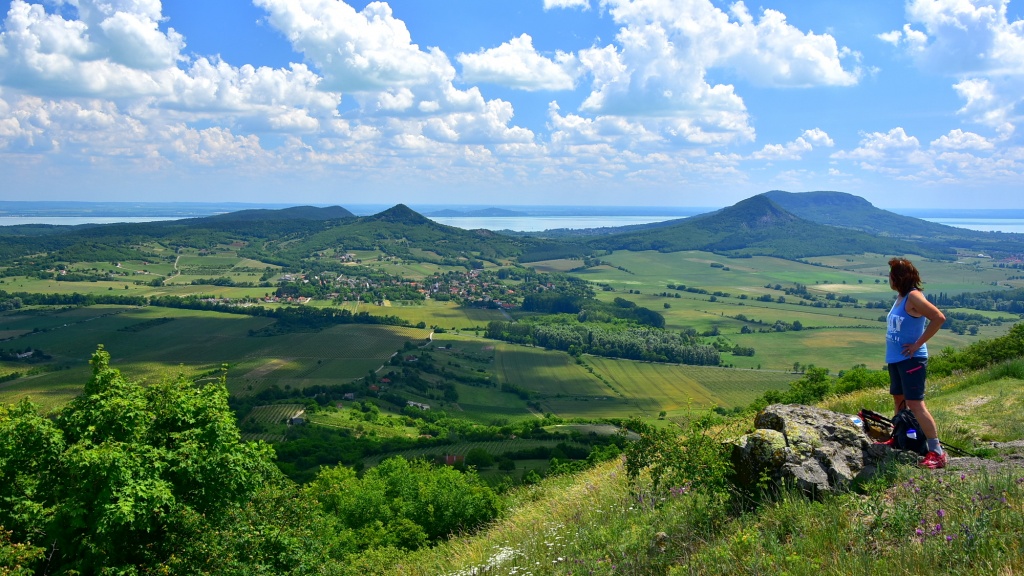
Many think of Budapest when they picture Hungary, but only a couple of hours away, visitors find a different kind of wonder—ancient volcanic hills rising above Lake Balaton. These hills, like Csobánc, Hegyestű, and Gulács, have shaped the land for millions of years. Their unique shapes and rocks tell a story of powerful natural forces and leave a lasting mark on travelers and nature lovers.
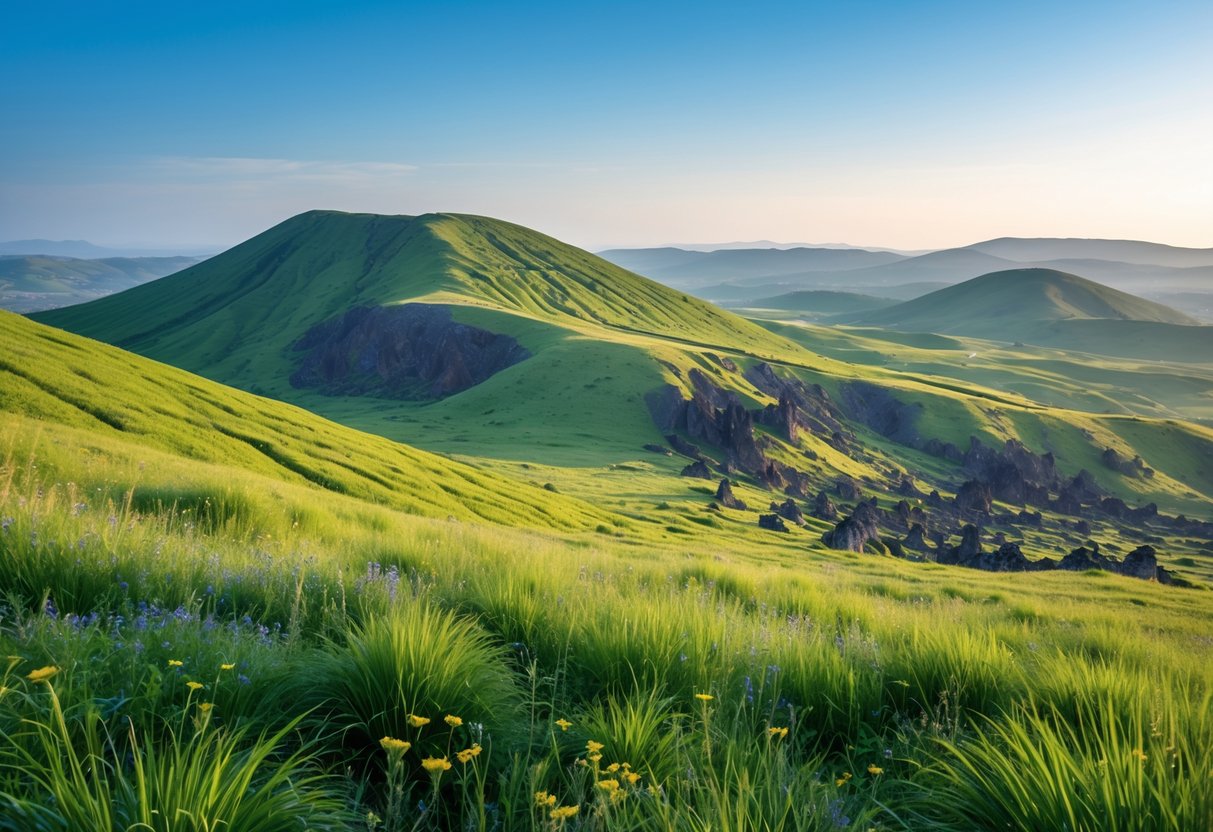
The Balaton Uplands are perfect for easy hikes and offer sweeping views of the lake and surrounding countryside. Each hill has its own legends and quiet spots, adding a sense of calm and mystery to every visit. Writers and hikers often say these hills invite reflection and a deeper connection with nature.
Key Takeaways
- The Balaton Uplands feature striking volcanic hills with a rich geological history.
- Visitors enjoy scenic hikes, local legends, and peaceful nature experiences.
- These spots are ideal for travel, nature writing, and exploring Hungary beyond Budapest.
Volcanic Hills of the Balaton Uplands: Geological Wonders and Natural Splendor
The volcanic hills of the Balaton Uplands, such as Csobánc, Hegyestű, and Gulács, stand out for their striking shapes and rich habitats. These hills attract nature lovers, hikers, and scientists who seek stunning views and rare biodiversity.
Geological History of Csobánc, Hegyestű, and Gulács
The Balaton Uplands were shaped by intense volcanic activity millions of years ago. Csobánc, Hegyestű, and Gulács are classic examples of basalt hills created from hardened lava.
Hegyestű, often called the "needled peak," features tall basalt columns that look almost like a stone organ. These columns formed as lava cooled and cracked. Csobánc rises sharply from the surrounding land, with its flat top formed by erosion over thousands of years.
Gulács also displays clear traces of volcanic origin. The hills' unique shapes are easy to spot from a distance, and their volcanic soils support rare plants. The region tells a clear story of ancient geological forces.
Unique Landscapes and Terrain
Each volcanic hill showcases different landscapes. Csobánc is a flat-topped plateau covered in grassy meadows and patches of moss. Stone outcrops and wind-shaped bushes dot the hilltop.
Hegyestű hosts a former quarry where visitors can walk among vertical basalt columns. It offers panoramic views of Lake Balaton and the uplands. Gulács is more cone-shaped, covered by natural scrub and wildflowers.
The valleys and slopes are home to small groves and hidden creeks. These features make the area ideal for hiking, photography, and birding. Trails often lead across open fields before climbing rocky paths to the peaks.
Diverse Flora and Fauna
The volcanic hills of the Balaton Uplands have high biodiversity. Meadows on Csobánc and Gulács support wildflowers, moss, and rare orchids. Shrubs and small woods shelter many plant species.
Butterflies, especially the swallowtail and the scarce large blue, thrive here. The hills attract many bird species such as the hoopoe, bee-eater, and kestrel, making bird watching popular. Small mammals, insects, and reptiles are common as well.
Botanists also note moss and lichen species growing on basalt stones. The blend of dry grassland and rocky terrain provides a safe haven for both plants and wildlife.
Conservation and Environmental Impact
Conservation is important in the Balaton Uplands. Many areas are protected as parts of national parks or conservation zones to help keep their natural beauty intact. Local efforts limit building and make sure hiking trails do not harm the fragile environment.
Eco-tourism and sustainable travel are encouraged. Visitors are asked to respect marked paths and avoid picking plants. Eco-lodges and guided tours focus on low-impact visitation.
Ongoing monitoring helps protect the biodiversity of moss, butterflies, birds, and rare plants. Conservation in the volcanic hills plays a role in safeguarding both the geology and wildlife of this iconic Hungarian region.
Exploring the Volcanic Hills: Hiking, Legends, and Spiritual Calm
The volcanic hills of the Balaton Uplands attract eco-tourists and nature lovers for their unique trails, rich folklore, and peaceful atmosphere. Visitors find many opportunities to observe rare plants, learn from local culture, and reflect in quiet landscapes shaped by ancient lava flows.
Hiking Trails and Nature Observation
Csobánc, Hegyestű, and Gulács offer marked hiking routes for all skill levels. Trails range from gentle slopes to steeper climbs, with each hill giving panoramic views of Lake Balaton and the patchwork of surrounding vineyards.
Along the paths, hikers can observe steppe grasslands, rare wildflowers, and volcanic rock formations. Many nature observation points have signs to help visitors identify the native plant life and bird species. Naturalists often spot kestrels, lizards, and endangered butterflies.
Local guides lead eco-friendly tours, teaching about the hills' geological history. Walking quietly helps travelers witness the sights and sounds of the uplands without disturbing local wildlife. Spring and late summer are especially good for hiking and observing nature.
Legends and Local Culture
Stories and legends are deeply connected with each volcanic hill. Csobánc is known for the ruins of its old castle, where tales of brave Hungarian defenders and hidden treasures inspire local storytelling and poetry.
Gulács is sometimes called the "Sleeping Princess" for its rounded shape, with folktales explaining how a giantess once rested here, shaping the land. The hills are important to the local communities, and festivals often include performances, music, and readings of famous prose linked to these legends.
Hegyestű, with its sharp basalt columns, is often featured in art and oral history. Visitors can join workshops with local artists or listen to traditional tales that explain how these mythical peaks came to be. These experiences give insight into the everyday life and beliefs of people living around the uplands.
Spiritual Calm and Mindfulness in Nature
The volcanic hills offer more than scenic views; many visitors seek a quiet place for mindfulness. Early mornings or late afternoons are best for meditation, breathing exercises, or quiet reflection.
The wide vistas and silence make it easy to slow down. Some people practice yoga on the hillsides or pause to write poetry inspired by the peaceful setting and natural beauty. Local travel groups sometimes organize guided mindfulness walks, focusing on gentle movement and sensory observation.
These practices help visitors develop a deeper appreciation for nature and themselves. Simple moments—like listening to birdsong or feeling the breeze at the top—can bring a sense of calm and renewal. This connection with the land supports sustainable travel and respect for the unique spirit of the Balaton Uplands.