Monastic Stillness: Timeless Encounters at Pannonhalma
Monastic Stillness: Timeless Encounters at Pannonhalma
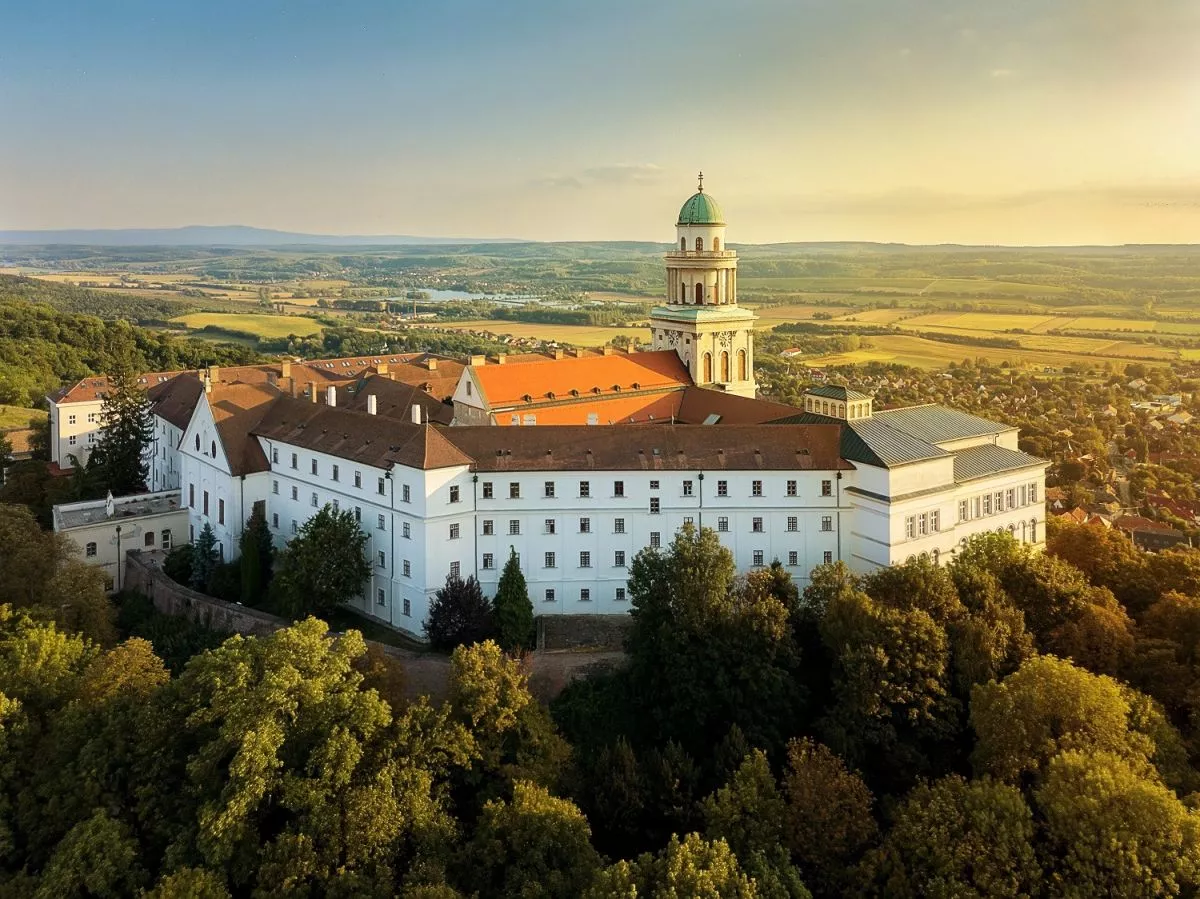
Pannonhalma Archabbey rises above the Hungarian countryside, a landmark that has welcomed seekers of peace and meaning for over a thousand years. This Benedictine abbey is a UNESCO World Heritage Site, famous for its deep monastic traditions and a history that reaches back to the founding days of Hungary itself. Walking through the archways, the quiet bell towers and ancient crypts stand as reminders of a life lived at a careful and thoughtful pace.
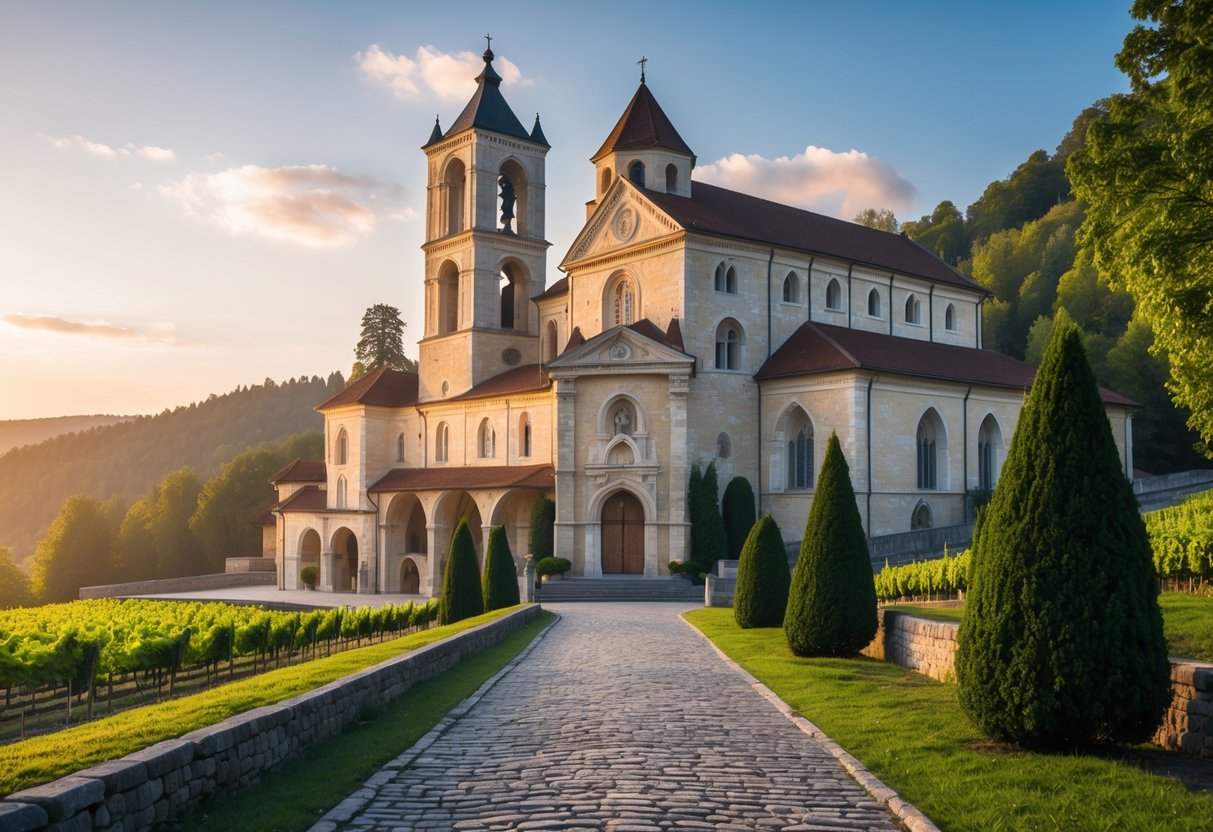
The hills around the monastery are alive with beauty. Neat rows of lavender fill the air with their calm scent, while vineyards produce wines that have honored the land for generations. Monks still work in these gardens and cellars, tying the rhythms of daily life to the sweep of history.
Key Takeaways
- Pannonhalma Archabbey holds a unique place in Hungary's history.
- Monastic traditions, lavender fields, and vineyards shape the abbey's daily life.
- Visitors can experience peace, culture, and timeless beauty at this UNESCO World Heritage Site.
Timeless Heritage and Monastic Traditions
Pannonhalma Archabbey is a sanctuary of spiritual history in Hungary. Its enduring monastic traditions, remarkable architectural styles, and deep roots in both religious and national heritage make it a place of quiet strength and cultural value.
Origins and Founding
The Benedictine Abbey at Pannonhalma was founded in 996 by Prince Géza. His goal was to establish a center for Christianity in Hungary, which was still a new idea for the region.
The site was chosen on a hill said to be linked to St. Martin of Tours, giving the location spiritual significance. The first monks followed the Rule of St. Benedict, setting the groundwork for a community rooted in prayer, work, and study.
The abbey soon became a major educational, religious, and cultural center, shaping the early history of Hungary. King Stephen I, later Saint Stephen, supported the abbey, helping it grow in influence. Their early scriptorium copied and preserved manuscripts, becoming a stronghold for learning.
Monastic Life and the Rule of St. Benedict
Life at the monastery is shaped by the Rule of St. Benedict. The monks follow a daily rhythm of prayer, study, and manual work, reflecting a tradition that has lasted over a thousand years.
The community gathers for prayers in the abbey church, a basilica with a crypt and several chapels. Silence and discipline mark their routines, encouraging contemplation and inner peace.
Tasks are divided among the monks. Some tend the gardens, others work in the archives or support the abbey's well-known wine production. The focus on balance—ora et labora (prayer and work)—defines their daily life.
The refectory, with its ornate Baroque elements, is where the monks eat together. Cloisters offer a space for quiet walks and reflection, sheltered by thick stone walls and Gothic arches.
Historical Events and Periods
Pannonhalma Archabbey has seen wars, occupations, and reform. In the 13th century, the Gothic style shaped the abbey, while later periods brought Baroque changes, especially after fires and damage.
During the Turkish occupation, the abbey suffered decline, but the monks protected it as best they could. The Enlightenment brought other challenges, as religious orders faced reforms and closures, yet Pannonhalma survived.
Throughout Hungarian history, the abbey played a key role, sometimes as a refuge, at other times as a center for scholarship or resistance. Its archives hold rare manuscripts and documents that tell the story of medieval and modern Hungary.
UNESCO made Pannonhalma a World Heritage Site, recognizing its cultural, architectural, and historical value.
Enduring Spiritual Atmosphere
Despite centuries of change, the abbey's spiritual atmosphere feels timeless. The basilica, with its blend of Romanesque, Gothic, and later Baroque architecture, creates a sense of peace and gravity.
Frescoes and ancient stonework recall generations of faith and dedication. Soft light fills the cloisters, and the scent of old books drifts from the library and archives. The crypt below the basilica adds to the sense of reverence.
Visitors and those on retreat find quiet for reflection among the cloisters and gardens. The continuous presence of the Benedictine monks, their prayers and work, maintain the abbey's calm and spiritual purpose. The abbey remains a living place shaped by the traditions of the past.
The Living Landscape: Gardens, Lavender, and Vines
Nature shapes daily life at Pannonhalma Archabbey. The gardens, vineyards, and famous lavender fields provide beauty, peace, and valuable products for both visitors and the local community.
Lavender Gardens and Botanical Beauty
Pannonhalma's lavender gardens bloom each summer, turning the hillside purple and filling the air with a calm, sweet scent. Monks began growing lavender centuries ago for both its beauty and its practical uses in medicine and daily life. Today, lavender from the abbey is still harvested by hand and used in oils, soaps, and teas.
The botanical garden features rare and local plants. Walking paths curve between old trees, flowerbeds, and herbs. Guided tours are offered for those interested in plant history or traditional uses. Tourists often come from Győr or elsewhere to see the blooms in June and July. Signs help visitors identify key species, and benches are set among the gardens for quiet reflection.
Wine Production and Vineyards
The abbey's vineyards have a deep history. Viticulture started here over a thousand years ago, with monks perfecting their wine production methods. Today, the vineyards produce quality white and red wines, mostly from grapes like Riesling, Pinot Blanc, and Merlot.
Wine cellars store barrels beneath the hillside, where the temperature stays steady all year. The monks combine tradition with modern techniques, resulting in wines known for their balanced flavor. Guided tours let guests see the process, from vine to bottle, and taste the results. Many who visit Pannonhalma take home a bottle as a piece of the region's character.